
Sermon preached by Kelvin Holdsworth 21 August 2016
Sunday 21 August 2016
The church is open at service times and from 10am to 12.30pm daily.
0830 Said Eucharist (1970)
1030 Sung Eucharist (1982)
Presiding: The Rev Cedric Blakey
Preaching: The Very Rev Kelvin Holdsworth
1830 Choral Evensong and Installation of the Canon Missioner
The Sacraments: Unction

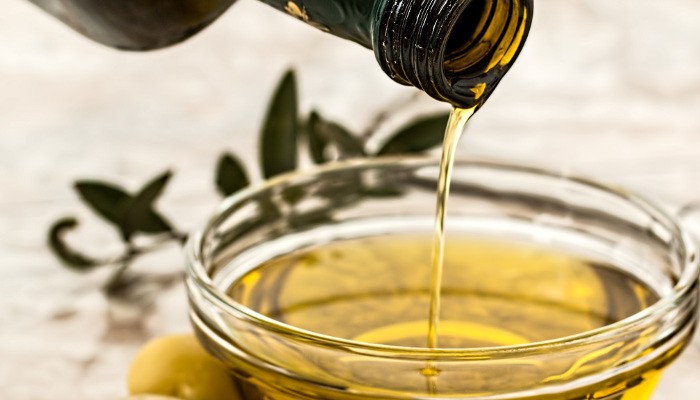
The most common way in which people think about the sacrament of Unction is thinking about what can happen at the very end of someone’s life when they are anointed with holy oil in what people call the last rites. However there’s more to this sacrament than that.
Many different religions have healing rites associated with them and Christianity is not the only one which uses oil as a symbol of healing.
Every year just before Easter, the bishop blesses oil for use in the churches of the diocese for different purposes. Three vessels of oil are blessed. One is the oil of chrism which is used to anoint people at baptism, confirmation or ordination. The second is the oil of catechumens which may be used to anoint someone as they engage on a period of study or preparation which might lead to baptism. And the third of the oils is the oil of healing which is used in the sacrament of unction. The oil that we use is ordinary olive oil. Sometimes it is oil that has been harvested from olive trees in the holy land.
The oil of healing can be used at different points in someone’s life and not just as someone is dying. Whenever it is used, it remains the oil of healing. Even if someone is being anointed at the point of death, we remember that God’s healing presence will be with them through and beyond their life on earth.
When Christians pray for healing they are doing something more than simply making wishes or casting spells. They are remembering the extraordinary fact that God has made healing a part of every person’s life on earth. That healing may not always be a cure for what ails someone but God’s presence is with them no matter what life throws at them. We know that in biblical times, gathering to pray for the sick with the laying on of hands was part of the community life of the early Christians.
We believe that healing is an aspect of the activity of God in the world and that we sometimes encounter that in the work of doctors, nurses, therapists and those who carry out research.
Sometimes people ask to be anointed with oil if they know that they are going into hospital for an operation. Sometimes the oil of healing is requested by someone as they pray for psychological peace of mind.
It remains the case that there is a particular ministry of care and compassion that the church can offer if someone knows that they are getting close to death. Part of that preparation for death might include aspects of the sacrament of reconciliation and partaking of the Eucharist, as well as anointing with oil.
Christians believe that death is not the end of someone’s life with God. The new life that is proclaimed at Easter and throughout the year in church is something that all those who die will encounter. Inevitably there are many aspects of this that we don’t understand fully whilst here on earth. However, we believe that when someone dies they come to know the full reality of God’s love. At a funeral in church the Pascal Candle – the great symbol of the Easter resurrection news is lit.
Frequently Asked Questions
If someone doesn’t get to receive the last rites do they still get to heaven?
Yes – God is not bound by the sacraments. The physical symbols that are used such as anointing with oil are merely outward signs of the activity of God which is unlimited. In any case, we believe in a God of love who saves and does not condemn.
The Sacraments: Confirmation
Confirmation is something that has changed in recent years significantly. At one time everyone knew what confirmation was. It was an unambiguous sacrament. It was the means by which young people at a particular age (never entirely decided upon) came into the full sacramental life of the church. By being confirmed they were confirming the vows that had been made on their behalf when they were young children and were thus deemed ready to receive communion for the first time. Although some adults were always confirmed they tended to be the exception rather than the rule.
Nowadays, confirmations still happen throughout the year in every diocese but this has become something of a pastoral sacrament and means different things to different people. It is still undoubtedly the case that some young people are confirmed as part of their journey into the communicant life of the church. However for some years now, canon law has been very clear indeed that anyone who is baptised is welcome to receive communion in all the congregations of the Scottish Episcopal Church and so the focus on being confirmed in order to be a communicant has lost its focus.
Sometimes people are confirmed as part of their journey into the Scottish Episcopal Church (or indeed into the Anglicanism of which we are but a part) from a different denomination. For them it is a way of recognising that they have found a place within this tradition and confirmation is a sacramental way of speaking of the deep reality of finding themselves at home.
The number of adults in society who have never been either confirmed or baptised is increasing as children are no longer baptised as a matter of course. When people discover the Christian faith for the first time as adults, then baptism and confirmation (which might be administered in the same service) are a particularly joyful stepping stone on their religious journey of faith.
The different ways in which confirmation happens within our churches have led to some confusion. Some people don’t believe that confirmation still exists when that is very obviously not true. The liturgy itself has the rather complex, and some would say clumsy title: “Affirmation of Holy Baptism for Confirmation and Renewal”. Such has been the confusion about confirmation that it has sometimes slightly cynically been referred to in recent years as a sacrament in search of a theology. However, it is important to reinforce the fact that confirmations still take place and are still deeply significant life events for those who are confirmed.
Confirmation in the Episcopal/Anglican tradition is almost always something that is carried out by a bishop. People within our tradition are sometimes surprised to discover that this is not universally so amongst the Christian churches. Our friends in the Church of Sweden often experience Confirmation as something that school groups are prepared for and which is administered by the local priest. A similar pattern is also common amongst Roman Catholic congregations here in Scotland.
At its heart, confirmation is a very simple thing. It is a public declaration that one belongs to the church followed by prayers from the bishop who prays them whilst laying hands on the head of the candidate.
The prayer that the bishop prays at confirmation goes like this:
God of mercy and love,
new birth by water and the Spirit is your gift,
a gift none can take away;
grant that your servants may grow
into the fullness of the stature of Christ.
Fill them with the joy of your presence.
Increase in them the fruit of your Spirit:
the spirit of wisdom and understanding,
the spirit of love, patience and gentleness,
the spirit of wonder and true holiness.
Come, Creator Spirit,
rekindle in N. your gifts of grace,
to love and serve as a disciple of Christ. AmenRenew her/his life in Christ
and bring to completion
all that your calling has begun. Amen
Frequently Asked Questions
Do I need to be confirmed in order to receive communion?
No, no – and a thousand times no. Canon law in the Scottish Episcopal Church could not be clearer. You do not need to be confirmed in order to receive communion.
I was confirmed at a time in my life when it didn’t mean much to me – can I be confirmed again?
This is a sacrament that the church thinks of as taking place once in someone’s life – though the effects go on for a lifetime. No-one should presume that confirmation was insignificant if they are currently looking to reaffirm their faith in public once more. Should that be the case, elements of the confirmation service can be used to make a fresh affirmation of faith in public.
Do I have to be confirmed at all?
There are some roles in the church for which confirmation is required however they are diminishing. It is still the case that people need to be confirmed in order to be considered for ordination but it isn’t entirely clear why that should be the case. The requirement that General Synod Members should have been confirmed is being removed. Until very recently being confirmed was supposedly a requirement before one could be a bell-ringer at St Mary’s however this is no longer the case.
The Sacraments: Holy Orders
The idea of seeing Holy Orders as sacramental can seem to be a bit distant from most people who might ask whether this is just something that it is about clergy. However, to understand holy orders as sacramental means to ask what the different orders of ministry in the church represent and to remember that the charisms of each of those orders are for every Christian to exercise.
The Scottish Episcopal, in common with the ancient church recognises three sacramental orders of ministry – the diaconate (deacons), the presbyterate (priests) and the episcopate (bishops).
The foundational order of the ordained life is the diaconate. When someone is ordained as a deacon they are set aside to live a life of service both to the church and to the world. In our tradition, people are ordained to the other orders only after serving some time as a deacon and remain in deacons orders when becoming a priest or for some eventually a bishop. To become a deacon is to hear the call of God to service, to respond positively to that call and have that call affirmed by the church. When someone becomes a deacon they are regarded as a member of the clergy and bear the title “The Rev” before their name. Sometimes people mistakenly think that being a deacon is merely a stepping stone to priesthood and to be regarded as an apprenticeship. You sometimes hear people speaking of deacons as being ordained people who can’t celebrate the Eucharist or bless people yet. However, that is to misunderstand the diaconate. The point about being a deacon is to celebrate the joy of serving others. It isn’t about being prevented from doing something – rather it is about being set free in order to do something.
The Ordinal is the liturgical book which contains the ordination services. It describes deacons like this:
Deacons share with the bishop and presbyters in the ministry of word and sacrament and in works of love.
In a distinctive way deacons are a sign of that humility which marks all service offered in the name of Christ. They bear witness to the Lord who laid aside all claims of dignity, assumed the nature of a slave and accepted death on a cross.
In the name of the Church, deacons care for those in need, serving God and the world after the pattern of Christ.
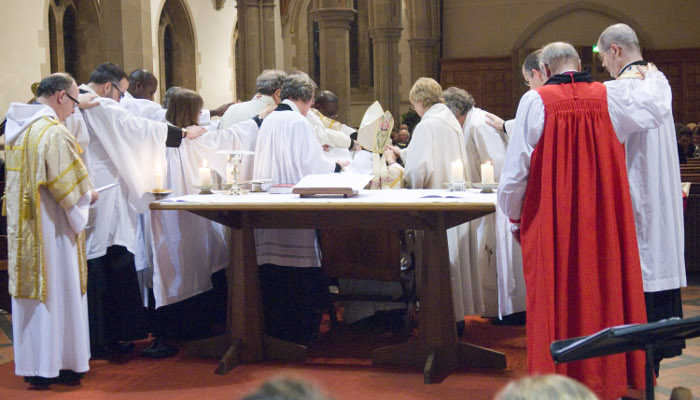
Most members of the clergy are priests. Those in this ministry have a calling to bring God to people and to bring people to God. They are set apart to live a life in which prayer is central and are entrusted with the care of the people of God. Ordination services of priests are always joyful occasions and involve a number of ceremonial elements which speak of the deeper truth of the life that a priest will live out. A chalice and paten (the cup and plate of the communion service) are placed into the hands of the new priest in recognition that it is priests who celebrate communion services as part of their life of drawing people deeper into relationship with God. Another distinctive feature of a priesting service is the laying on of hands – all the priests present will lay hands on the new priest as the Holy Spirit is invoked. This reminds everyone that priesthood is a corporate ministry which stretches back to the time of the apostles. A part of that ministry is to proclaim God’s forgiveness in the world and priests have a particular role in hearing people’s confessions and proclaiming that they are forgiven.
The ordinal describes priesthood like this:
The ministerial priesthood and the priesthood of all believers are related. Each in its proper way partakes of the one priesthood of Christ.
Presbyters (ie priests) share in the priestly ministry of their bishop. With their fellow presbyters they serve and sustain the community of the faithful that we may grow into the fullness of Christ and be a living sacrifice acceptable to God.
Presbyters pray and care for those committed to their charge, enabling them to respond freely to God’s call.
They proclaim the coming of the Kingdom, calling sinners to repentance and absolving them in God’s name.
They preside at the Eucharist and draw together in worship those who come to the Lord’s Table, so that fed by the Body and Blood of Christ they may go out to serve God in the unity of the Spirit.
In all organisations, someone needs to lead and the order of ministry which specifically recognises the sacramental gift of leadership is the episcopate. When someone becomes a bishop they become the spiritual leader for a diocese. A cathedral has a special role in being the seat of the bishop. Indeed, the seat of the bishop which is called a cathedra is what gives a cathedral its name. One of the features of a service where a bishop is consecrated is that they are seated in their own cathedra. Bishops have other symbols attached to their ministry. They wear a prominent cross, wear a ring on the fourth finger of their right hand and carry a pastoral staff in their left hand. This staff is called a crozier and in the western church looks exactly like a shepherd’s crook. This is indicative of a pastoral ministry. Bishops in the Scottish Episcopal Church have considerable authority but that is not the same thing as having absolute power. In recent years bishops have seen themselves as being leaders in mission in their diocese.
The ordinal again offers a clear description of what bishops do:
Bishops follow in the succession of the apostles whom Christ sent to proclaim the Gospel to the world and to bear authority in the community of faith. With their fellow bishops they oversee and care for the universal Church. As people under authority they must be attentive to the Holy Spirit who leads us into all the truth; called into the fellowship of Christ’s disciples, they must seek God’s will.
Within the diocese the bishop ordains and sends out new ministers, guides and serves the priests and deacons who share in the bishop’s responsibility to nurture the community of the baptised.
There is one Lord, by whose authority bishops teach and enable others to bear witness, so that God’s Word may enlighten the people of God and heal the nations.
There is one Shepherd, at whose call bishops seek to know his flock and be known by them.
There is one great High Priest of the new covenant, in whose name bishops preside over the church’s offering and call all to be of one mind and purpose, that in unity they may present to God a single, holy, living sacrifice.
The ministries of deacon, priest and bishop are symbolic of the ministry of the whole people of God and every Christian has a stake in what the orders do. Those who are ordained have a public responsibility to live out, and be seen to live out, the gifts of the order(s) to which they have been called by the people of God. However, every member of the people of God has a responsibility to commit acts of loving service, to reconcile people to the God who loves them and to take responsibility for exercising loving judgement and decision making wherever they go. In this way, the sacrament of holy orders belongs to every member of the church not merely to those who have been set aside in this way.
Frequently Asked Questions
Are priests the equivalent of “ministers of word and sacrament” in other traditions.
Priests do many of the things that those called ministers do but not all traditions will see ministry as being sacramental. All three orders of ministry in the Scottish Episcopal Church are seen as being orders of word and sacrament.
Can bishops move other clergy around as they chose?
No – this is a myth. Bishops cannot simply move people as they choose. In almost all cases in the Scottish Episcopal Church the representatives of a local congregation have a paramount role in deciding who their priest will be.
The Sacraments: Marriage
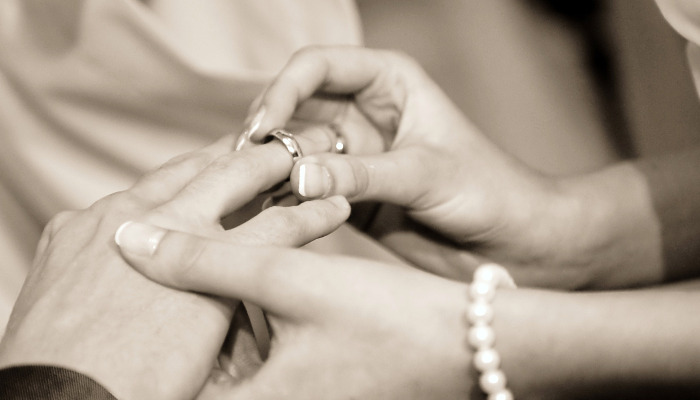
The sacrament of marriage is one of the most contested, commented on and discussed elements of church life. At its heart is that two people pledge to love one another exclusively until they die. Controversies surround which people should be able to do this to one another and what the limits of the sacrament are if the covenant between the two people becomes broken but it is important not to lose sight of the idea that the committed love between two people is seen by the church as speaking not only of the couple themselves but of God’s love for the world.
Marriage is not only regarded as something that is sacramental. Nowadays it is also a very clearly defined legal status which is regulated by civil authority. The civil regulation surrounding marriage has increased and changed over the years. At this point in history, people are only regarded as legally married if they have gone through a legal ceremony which can take place either in front of a registrar or in front of a religious celebrant. At one time in Scotland a couple (made up of a man and a woman) could claim to be legally married if they could prove that they were generally regarded as being a married couple by society. The days of so-called “habit and repute” marriages are now over and anyone wanting to marry must do so formally.
Marriage is unusual amongst the sacraments in being one in which the priest who presides over the marriage is not in fact the minister of the sacrament. Instead, the couple themselves are regarded as the celebrants of the sacrament one to another, the priest being merely the one responsible for ensuring that everything is in order and acting as the chief amongst those witnessing the event. A cleric marrying two people has the joy of declaring to the assembled company that the couple are in fact married. Sometimes the sacramental nature of this is acted out by binding the couple’s hands together using the stole, the scarf like garment that a priest wears.
Other outward signs and symbols of what is happening include the exchange of promises, the vow made between the two people and the exchange of rings which might be blessed by the priest.
The current controversies over marriage are mostly about whether or not same-sex couples should be able to get married in church. In Scotland a same-sex couple can currently marry in the eyes of the law but not in a Scottish Episcopal Church. This matter will come before the General Synod in June 2017 and it is possible that the situation may change then.
However, it should not be presumed that issues surrounding same-sex couples are the only way in which marriage has changed. Perhaps more fundamental is the way that the marriage service now presumes the couple coming to be married to be equals. At one time the marriage service effectively saw what was going on as a transaction in which the woman was handed over from her father to her new husband rather like a piece of property. This can still be seen in the way that some people chose to enter a church for a marriage, the woman coming down the aisle on her father’s arm. Such things are not part of the rites of the church and there are other ways of entering which some couples chose. For example, some couples who are already living together may prefer to come down the aisle with one another and together with any children that they might have. The equality of the two people getting married is a distinctive feature of the modern marriage service which the church uses. Another feature of this service is that the couple themselves get to choose many of the things which happen, carefully constructing a service which represents who they are. There are no “off the shelf” marriage services in the Scottish Episcopal Church.
Marriage ceremonies can be very simple or very spectacular. They are always moving occasions because people bring their greatest aspirations together and hope not only for the best for one another but declare that they will offer the best of themselves to the other partner.
Marriages are regarded as sacramental because the outward signs of living together in a loving exclusive partnership speak of the love that God has for us. This isn’t a new idea, it is one that has been around since biblical times. It is important to remember that it is marriage which is thought of as a sacrament, not a wedding service. Weddings are wonderful but the thing which reminds us of God is passionate, self-giving, committed, exclusive, joyful love.
Frequently Asked Questions
Are you more married if you get married in Church than in a Registry Office?
No
I’ve been married before, can I still get married in Church?
The Scottish Episcopal Church marries a lot of people who are doing this for the second time around. The clergy can agree to marry people in that situation with their bishop’s permission. The important thing to do is to talk to one of the clergy about this. Clergy at St Mary’s will not agree to perform a marriage or bless a civil partnership if doing so would lead to a scandal – for example, if you have children from a previous relationship whom you are not supporting financially.
The Sacraments: Reconciliation
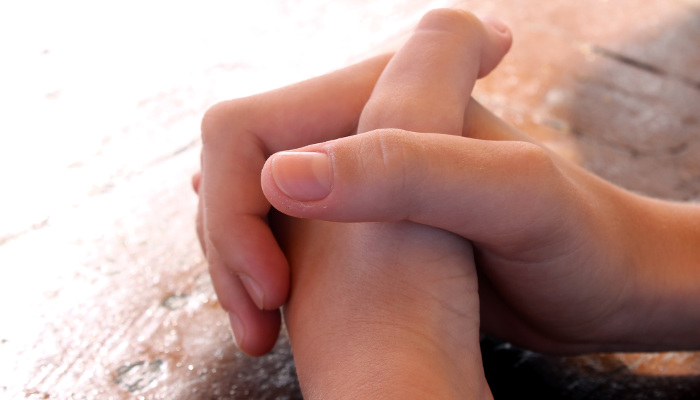
People sometimes know the sacrament of reconciliation by another name – sometimes people call it Penance and sometimes people call it Confession which, strictly speaking is only a part of what is going on. In the sacrament of reconciliation, the idea is that people are brought back into a right relationship with God and get the chance to sort out whatever it is that they have done which seems to be separating them from God and to hear afresh the news that their sins are forgiven.
There are two formal ways in which people within an Anglican/Episcopal tradition get the chance to confess sins and hear of God’s forgiveness.
During many of the liturgies of the church the people confess their sins by reciting a simple prayer. This is followed by the assurance of God’s forgiveness which is pronounced by a priest, something which is called absolution. The idea is that this gives everyone present the opportunity to call to mind those times and places where they feel they have fallen short of being the person that God might want them to be and indeed fallen short of their own best expectations too. Simply reciting the prayer without taking the chance to think of the things in life that one regrets and desires forgiveness for does not constitute the sacrament of reconciliation. The sacrament depends completely on what is happening inside a person and is not simply about the form of words that they use. In this, reconciliation is like the other sacraments – outward symbols conveying deep spiritual realities.
The other way that someone might experience the sacrament of reconciliation is by meeting with a priest on a one-to-one basis to make a confession. A common way for this to happen is for the person to make an appointment with the priest. The priest and the penitent may meet for a discussion about what is on the person’s mind before completing the sacrament with a simple liturgical invitation to name before God those sins which the person wishes to confess. Once these have been outlined by the person, the priest may give some advice and then pronounce in God’s name that those sins have been forgiven. In participating in the sacrament in this way, the priest and the penitent enter into an agreement that what is discussed there is not discussed elsewhere. This “seal of the confessional” is binding on the person seeking forgiveness as well as upon the person pronouncing God’s forgiveness.
In our tradition we have a rule about confessing sins to a priest – “All may, none must, some should”. The sacrament is available to all members of the church and indeed is sometimes sought by those who don’t belong to the church in any other way. However, there is never any compulsion that anyone must go to confession. You don’t have to make a confession at any time for any reason other than that you feel the need to do so. It is our experience as a community though that some people do need to make this a part of their spiritual practise and for them, they should seek it regularly.
All priests in the Scottish Episcopal Church are required by Canon Law to hear a confession if someone asks them to hear one or to point them towards another priest who is able to hear it if they themselves are not able to do so for some reason.
The seal of the confession is regarded as absolute. What is discussed in the course of this ministry is never discussed elsewhere.
Some people have the tradition of asking for a penance when the priest has pronounced forgiveness. A penance is not a punishment for sin – sin has already been forgiven. A penance is the chance to take on a small spiritual discipline or an activity that will remind the person that they have been forgiven and help them to reorientate their life towards God. A penance is not supposed to be arduous but to be a joyful and life-affirming reminder of why forgiveness was sought and that forgiveness was given.
Confession is about turning our lives around. One of the technical words for this is metanoia a Greek word which refers to changing one’s mind in a way that analogous to turning and facing in a new direction. Repentance is at the heart of confession and is the consequence of wanting to put things right with the world and with God. God’s forgiving love is the inevitable consequence of someone’s sincere repentance.
Frequently Asked Questions
What if a priest heard someone confess to a murder or from someone who said they were going to harm someone – shouldn’t they report it to the police
People often ask this question about confession but it is a bit of a distraction from the simple and beautiful task of restoring someone’s relationship with God which is usually a good deal less dramatic than this. The sacrament of reconciliation for almost everyone, almost all the time, isn’t about the consequences of murders.
Yes but what if…?
A priest is free to respond to this situation in the way that they feel best. One thing that they might insist on would be to make an pronouncement of absolution conditional on an act such as reporting oneself to the authorities.
Won’t I feel funny seeing the priest and knowing that they know things about me that I would rather someone else didn’t know?
Most priests who hear confessions regularly will remark that God gives them the gift of forgetting what people say in confession. The priest isn’t a scapegoat and doesn’t absorb the sins that she or he hears someone confess. Most people engaged in this kind of ministry learn how to put things out of their minds very quickly for their own good and the good of those coming for confession.
Can any priest hear confessions?
Yes, but it is wise for someone to have had a few years of priestly ministry and be instructed by a more experienced priest in hearing confessions before they do so regularly.Does
a confession have to be heard in church?
No – a confession can be heard anywhere and sometimes take place in very public places such as train stations, airports or even on the battlefield before conflict. Sometimes they take place in places like hospitals or hospices where sometimes the sacrament may become important to someone if they know that they are likely to die soon. However in our tradition, it is most common for a confession to be heard in church by prior arrangement with a priest.
Is there a confessional box at St Mary’s?
No – confessions are usually heard in a quiet side chapel
The Sacraments: Baptism

Several times a year there is the opportunity to receive baptism at St Mary’s. The primary time for baptisms to take place is at the Easter Vigil early on Easter Day. Other opportunities are available throughout the year though there is always a connection with the events of Easter. It is at the Easter Vigil that the font is filled with water and the Bishop breathes over the water praying that all who are baptised in the water will receive the holy spirit. It is also at the Easter Vigil that the great Paschal Candle is lit from the Easter Fire and brought into the church. Every baptism takes place in the light of Easter and the Paschal candle is lit near to the font to indicate this.
As with all the sacraments, the symbols surrounding baptism are rich. A number of different physical things happen in the course of a baptism which help to form our beliefs about what is happening when someone is baptised.
Baptism is intrinsically tied up with the events of Holy Week as the original symbolism of baptism – plunging someone into water and them rising out of it again is symbolic of Jesus dying and being buried and rising again. The bible speaks of us being baptised “into Christ’s death” in order that we might rise with Christ. For this reason, baptism cannot really be understood as anything other than one of the symbols of the new life and resurrection that we believe Jesus brought us.
Very many religious traditions use water symbolically and baptism is one of the ways that Christians use water to express theological truths. (Washing feet on Maundy Thursday is another vivid way in which water is used in the liturgy). In common with the way other religious people use water, there is an element of symbolic washing that is involved in the ceremony of baptism. Every week in church we say when we say the Creed together that we acknowledge “one baptism for the remission of sins”.
At the heart of the baptism ceremony is a beautiful prayer over the water which recalls some of the ways in which God’s people have seen the love of God in the world through watery symbols.
Holy God, well-spring of life,
in your love and justice,
you use the gift of water to declare your saving power.
In the beginning your Spirit moved over the face of the waters.
By the gentle dew, the steady rain,
you nourish and give increase to all that grows;
you make the desert a watered garden.
You command the wildness of the waves;
when the storm rages you calm our fear;
in the stillness you lead us to a deeper faith.
In the life-giving rivers and the rainbow
Israel discerned your mercy.
You divided the Red Sea to let them pass from slavery in Egypt
to freedom in the Promised Land.
In the waters of Jordan
penitents found forgiveness in the baptism of John.
There, Jesus your beloved child was anointed with the Holy Spirit,
that he might bring us
to the glorious liberty of the children of God.
As well as water, we use oil and light to symbolise what is happening at baptism. After being baptised in water, a sign of the cross is made on the person’s head using oil which the bishop blesses each year on Maundy Thursday – again connecting baptism with the events of Holy Week. At some point in the service, a candle will be kindled from the Pascal Candle and presented to the candidate. In the case of children who are baptised, parents or godparents can light the candle every year on the person’s birthday or the anniversary of the baptism until such a time as they ask why the candle is being lit and can hear the story of their own baptism.
At St Mary’s we gather everyone who is present around the font. Everyone who is baptised is surrounded by the love of the whole community. Together we have a responsibility to help all who are baptised to live out their Christian faith.
It is the ancient tradition of the church that you are only baptised once and so we don’t re-baptise anyone who has been baptised already. In common with many of the churches in Scotland we recognise that if someone has been baptised in water in the name of the Father and the Son and the Holy Spirit within the context of a different denomination to our own then they have been properly baptised. You can’t be baptised into being an Episcopalian. You are baptised into the Christian faith.
Many people are brought for baptism when they are babies or very young children by those bringing them up. When we baptise infants who cannot comprehend what is happening to them or indeed make their own assent to what is being done, we are rejoicing that God’s love is there for everyone whether or not they know it. In baptism we celebrate our belief that everyone is utterly loved by God whether they know they are or even whether they want to be or not.
For those coming into the life of the church who are adults, baptism is a powerful statement that they themselves confess that they know that they are known and loved by God. people who are adults who wish to make a similar statement who were baptised as children sometimes find that the sacrament of Confirmation offers them an opportunity to do something similar in which some of the symbols of baptism are recalled.
Baptism is a sacrament – an outward sign of an inward spiritual grace, because we use physical things (water, oil, candles) to speak of deep spiritual truths – the passion of God in saving the the world through the actions of Christ that we remember in Holy Week, the fact that Christians have an expectation of rising to new life with Christ who rose from the grave and the joy of celebrating the uniqueness of each individual within the context of God’s overwhelming love.
Frequently Asked Questions
Do you baptise adults or children at St Mary’s?
Both adults and children are baptised in St Mary’s.
Can you be baptised by full immersion in St Mary’s?
Our font is not designed for full immersion baptisms but if you would like to explore the possibility of being baptised by full immersion, please speak to a member of the clergy.
I was baptised as a baby in St Mary’s does that mean I am a member and can vote at church meetings?
You are a member of the Christian faith by virtue of your baptism (and consequently welcome to receive communion in any Scottish Episcopal Church) but legal membership of a congregation is something different and you need to speak to a member of the clergy to ensure you are included on the membership roll.
The Sacraments: Communion
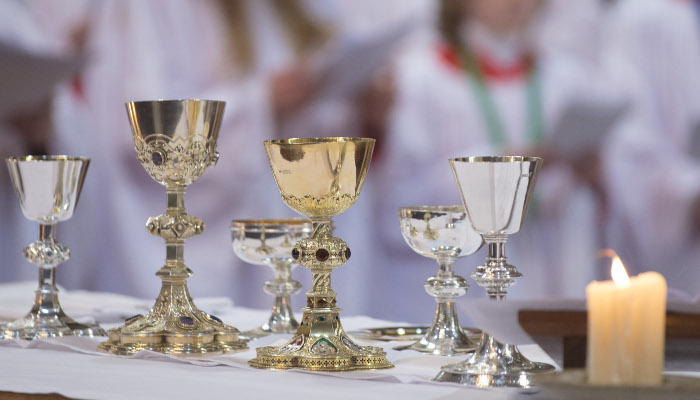
This article from the Provost will form part of a series on the sacraments.
Lots of different churches have different names for the meal of bread and wine that is central to the lives of almost all Christian traditions. Holy Communion, Mass, the Lord’s Supper, Eucharist are all names which refer to Christians eating bread together and drinking wine as Jesus did with his disciples the night before he died.
Here at St Mary’s the word we most often use is Eucharist. This comes from the Greek word that simply means Thanksgiving.
In the Anglican/Episcopal tradition which we are a part of, the service of communion is celebrated by members of the clergy who have been ordained to the priesthood and must always take place in the context of a congregation, even if there is just a congregation of one person. A priest can’t celebrate communion on their own. There is something about sharing that is an intrinsic part of what communion is about.
At St Mary’s Cathedral, everyone is welcome to receive communion. This includes young children who learn about the reverence and joy that are bound together in the sharing of the meal in the context of receiving the sacrament along with those who bring them to church. We believe that no-one should be able to remember being refused communion and that we learn what it all means by a lifelong engagement with God. Anyone who believes that they think they know exactly what communion means probably hasn’t realised that God has more to teach them yet.
Christians speak of the bread that is shared as the Body of Christ and the wine that is drunk as the Blood of Christ. The simple bread and wine become in the course of the service powerful symbols that connect us with the life and death of Jesus Christ. As a sacrament it is an outward sign of inward grace. That means that the rich symbolism of communion speaks of something that is happening to our souls when we receive the bread and wine. The ritual or liturgy by which we receive the body and blood of Christ itself forms us and shapes our lives. By participating in this meal we come close to God. At St Mary’s we share communion every Sunday of the year and also on the major feast days – days on which we remember something special that happened to Jesus or the major saints who have witnessed to Christian life since Jesus was on earth.
One of the ways to develop as a Christian is to take on the discipline of receiving communion at least once a week.
The sharing of communion is a mysterious thing. It happens in our current time and place but connects us with Christians through the centuries and all around the world in our own time who are sharing the same meal.
People often ask what actually happens to the bread and wine in the course of communion. People who come to St Mary’s from a Roman Catholic background sometimes want to know whether we believe in transubstantiation. There would be many ways that people in the congregation describe what happens at communion but probably the way of describing what happens that would unite most people would be to say that we believe in the real presence of Christ in the sacrament.
At the moment in the service when the priest asks the Holy Spirit to come upon the bread and wine and upon the people (another Greek word: epiclesis – calling down the Holy Spirit from on high) many members of the congregation make the sign of the cross. This connects us as individuals with what is happening at the table and is a powerful reminder that this is all being done in the context of the love of God which took Jesus to the cross and that each of us are changed by God by our participation.
One special use of communion in our tradition is that we sometimes share communion at funerals. This is a fitting and very beautiful way to give thanks for the live of someone who was themselves a communicant member of the church. We also have an annual service on or about All Souls Day – 2 November each year at which we remember those who have died in the context of a communion service. A communion service which has the intention of remember the dead is called a requiem.
Communion is the central act of worship in a church like St Mary’s. The building is primarily designed for the celebration and sharing in this meal.
We believe that God is present when we share bread and wine at the altar. This leads us to believe that God is present at every table everywhere and that when God’s people share food they are saying something about the way we believe that the world should be – a way of life which we sometimes refer to as the Kingdom of God and which we believe is close at hand.
Frequently Asked Questions about Communion
I can only eat gluten free bread – does that mean I can’t receive communion?
No – gluten free wafers are available in St Mary’s. They are square rather than round so we know them from regular wafers. Please tell one of the stewards when you come in that you need a gluten free wafer and tell the priest at the altar if they are unaware that you need one.
I can’t drink alcohol – does that mean I can’t have communion?
No – if you receive just the bread (sometimes called receiving in ‘one kind’) then you have fully received communion. If you wish to acknowledge the chalice then you may wish to touch it or kiss it rather than take a sip of wine.
I’m squeamish about drinking from a common cup – can I dip my wafer in the wine?
Don’t be squeamish – we use fortified wine which kills off germs. If you have something infectious yourself, please don’t receive the wine but receive in one kind. Please don’t take your wafer in your hand and dip it in the chalice (sometimes called intinction) as it spreads more germs than simply taking a sip from the cup which is wiped after each person has received.
Do you believe in transubstantiation?
We believe in the real presence of Christ in the sacrament.
But do you really believe in transubstantiation?
We believe in the real presence of Christ in the sacrament.
You don’t believe in transubstantiation do you?
We believe in the real presence of Christ in the sacrament.
What happens to the bread and wine that are not used up after communion?
We reserve bread and wine in church in a tabernacle on the High Altar. They can be taken from there to those who are too sick to come to church.
The bread and wine that are reserved remind us that Christ is here. Some people like to acknowledge the presence of Christ in the church in this way when they come into the building or approach the high altar by going down on one knee (called genuflecting) or bowing. The sacrament is not reserved between Maundy Thursday and Easter Day, a time when sacraments are not celebrated and so we don’t bow or genuflect at that time.
Can I receive the wafer on my tongue?
Yes – but most people receive the wafer in their hand and then eat it. There is nothing holier or more virtuous about receiving it directly on the tongue and it is much easier for the person giving communion to put it in your hand.
I don’t want to receive communion – is it compulsory at St Mary’s?
If you are at a communion service in St Mary’s and don’t want to receive communion you are welcome to approach the altar with everyone else carrying a service sheet in your hand. That will indicate to whoever is distributing communion that you’d prefer to receive a blessing than to receive the bread and wine.
Do you really mean it when you say that everyone is welcome to receive communion.
Yes. Unless the Scottish Episcopal Church has explicitly forbidden you to receive communion (very, very rare indeed) then you are welcome to receive communion here whoever you are and wherever you are from whether you have been here many times or whether this is your first time in the building.